Disposable Email vs. Burner Phone: Which Offers Better Privacy?
Disposable Email vs. Burner Phone: Which Offers Better Privacy in 2025?
In today's hyper-connected digital landscape, protecting your personal information has never been more critical. With data breaches exposing billions of records and sophisticated tracking technologies monitoring our every move online, privacy-conscious individuals are increasingly turning to disposable communication tools to safeguard their identities. Two popular options stand out in the privacy toolkit: disposable email addresses and burner phone numbers. But which solution truly offers better protection for your digital footprint?
As we navigate through 2025, the privacy landscape continues to evolve at a rapid pace. Traditional communication methods consistently tie our activities back to our real-world identities, creating comprehensive digital profiles that are vulnerable to exploitation. Whether you're signing up for a new service, participating in online forums, or conducting sensitive business, understanding the strengths and limitations of these privacy tools is essential for making informed decisions about your digital security.
This comprehensive comparison will dive deep into the world of disposable emails and burner phones, examining their privacy protections, security features, practical applications, and ideal use cases. By understanding the specific strengths and limitations of each option, you'll be equipped to choose the right privacy solution for your specific needs in an increasingly surveilled digital world.
Understanding the Basics: Definitions and How They Work
What Are Disposable Email Addresses?
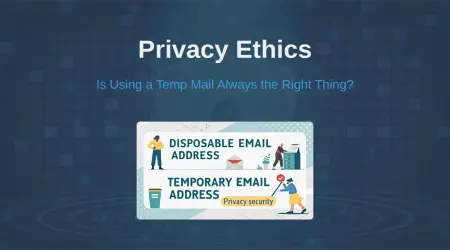
Disposable email addresses, also known as temporary or burner emails, are short-lived email accounts designed for temporary use without revealing your primary email address. These services provide instant, throwaway inboxes that typically expire after a few minutes, hours, or days, depending on the provider. Popular services like Temp Mail, 10 Minute Mail, and Guerrilla Mail generate random email addresses that allow you to receive messages briefly before automatically deleting them and all associated content .
The fundamental appeal of disposable emails lies in their simplicity and immediacy. There's no registration process, no password to remember, and no long-term commitment. You visit the service website, get a random email address, use it for your immediate needs, and then abandon it forever. This process creates a protective barrier between your real identity and online services that may misuse your contact information or expose it through data breaches .
What Are Burner Phones?
A burner phone is typically an inexpensive, prepaid mobile device meant for temporary communication before being discarded or "burned." These are often basic flip phones with limited features, focusing primarily on calling and texting capabilities without the smart features that characterize modern smartphones . The core concept revolves around separating your identity from the device by purchasing it anonymously, using it briefly, and then disposing of it properly.
Burner phones work similarly to regular cell phones but with a emphasis on anonymity. Most require a prepaid SIM card that you can purchase without providing personal information, and they're typically activated with a quick text or call to the carrier. For enhanced privacy, serious users often pay with cash to avoid creating a paper trail that could link the device back to their identity . The temporary nature of these devices—used for as little as one day to a week maximum—limits the amount of metadata and location information that can be collected and tied to the user .
Privacy and Anonymity: How They Protect Your Identity
Disposable Email Privacy Strengths and Limitations
Disposable emails excel at providing a protective buffer for your primary inbox and identity in several key ways. They effectively prevent spam from reaching your main email account, allowing you to sign up for questionable websites, one-time downloads, or promotional offers without worrying about ongoing marketing bombardment . Additionally, they shield your real email address from data brokers who might sell it to third parties or use it to build detailed profiles about your online behavior and interests .
However, disposable emails have significant privacy limitations that users must recognize. Many temporary email services use public inboxes where anyone with knowledge of the email address can potentially access received messages . Furthermore, these services typically lack transparency about their data handling practices, with unclear logging policies and minimal security measures in place to protect your information . Perhaps most importantly, the illusion of anonymity can be thin, as many services log IP addresses and browser fingerprints that could potentially be used to identify users .
Burner Phone Anonymity Advantages and Challenges
When properly implemented, burner phones offer robust identity protection by physically separating your communications from your established digital identity. The key advantage lies in preventing the linkage between your device activity and your personal life, making it significantly more difficult for entities to track your movements, associations, or sensitive communications . This makes them particularly valuable for high-risk scenarios like journalistic work in hostile environments, protest participation, or sensitive business negotiations .
Achieving true anonymity with burner phones requires meticulous operational security that presents practical challenges for everyday users. The purchase process demands careful planning—buying with cash at an unrelated location, avoiding surveillance cameras, and ensuring you don't travel using identifiable transportation methods . Additionally, location privacy requires discipline: only powering on the device away from home, work, or frequented locations, and storing it in a faraday bag when not in use to prevent inadvertent tracking . These requirements make properly maintained burner phones logistically demanding but highly effective for serious privacy needs.
Security Features: Encryption and Data Protection
Disposable Email Security Landscape
The security infrastructure of most disposable email services is notably lacking in fundamental protections. Unlike secure email providers, temporary email services typically implement no end-to-end encryption, leaving message contents exposed to interception and monitoring . This means that sensitive information sent to these addresses—including password reset links, verification codes, or personal data—can potentially be accessed by malicious actors or even the service providers themselves .
Additionally, these services rarely adhere to established data protection regulations or implement robust security policies. With no authentication requirements and publicly accessible inboxes on many platforms, anyone who guesses or discovers your temporary email address could potentially read your messages . This creates significant risks if you inadvertently use disposable emails for sensitive communications, as financial information, personal details, or login credentials could be compromised without your knowledge .
Burner Phone Security Capabilities
Burner phones present a mixed security profile that varies significantly based on the type of device selected. Basic "dumb" phones (flip phones) offer minimal built-in security features, lacking biometric authentication, device encryption, and access to secure communication apps . Calls and texts made using these devices are transmitted without encryption, making them vulnerable to interception by determined actors . Additionally, these devices rarely receive software updates, leaving them exposed to unpatched security vulnerabilities that modern smartphones would quickly address .
Prepaid smartphones used as burners can offer enhanced security options when properly configured. These devices can support encrypted communication apps like Signal, providing end-to-end encryption for messages and calls . However, this approach requires careful management to avoid linking the device to your identity through app store accounts, saved contacts, or network connections. For optimal security, these devices should use purpose-made burner accounts exclusively and avoid connecting to Wi-Fi networks associated with your identity, such as home or work networks .
Practical Use Cases: When to Use Each Tool
Ideal Scenarios for Disposable Emails
Disposable emails serve as excellent tools for specific low-risk scenarios where you want to minimize digital clutter and protect your primary inbox from spam. Their convenience makes them particularly suitable for:
- Quick sign-ups for one-time access: When downloading resources, accessing paywalled articles, or registering for temporary web services, disposable emails provide instant access without long-term commitment .
- Testing websites and applications: Developers and quality assurance teams can use temporary emails to validate onboarding flows, email templates, and signup processes without polluting their personal inboxes .
- Isolating promotional communications: When taking advantage of limited-time discounts, coupons, or trial offers that typically lead to ongoing marketing, disposable emails contain the spam to a temporary repository that will eventually self-destruct .
- Low-stakes forum registrations: For participating in online discussions where you prefer not to associate your primary identity, temporary emails provide the required verification without lasting exposure .
Situations Calling for Burner Phones
Burner phones address more substantial privacy concerns where communication metadata or identity linkage could present significant risks. These situations typically involve higher stakes than disposable email use cases:
- High-risk communications: Journalists covering sensitive topics, activists operating in hostile environments, and individuals involved in legal proceedings can use burner phones to protect their contacts and associations .
- Travel security: When traveling to regions with heightened surveillance concerns, burner phones provide communication capabilities without compromising your regular device's data or revealing your identity through roaming connections .
- Business negotiations and transactions: For confidential business dealings, mergers, or sensitive HR matters, burner phones prevent connections between personal devices and professional activities .
- Personal safety concerns: Individuals facing stalkers, abusive relationships, or other personal safety threats can use burner phones to maintain necessary communication without revealing their primary number or location .
Critical Limitations to Consider
Both tools have significant limitations that make them unsuitable for certain applications. Disposable emails should never be used for accounts tied to identity, finances, or long-term access, including banking, government services, device ecosystems (Apple ID/Google Account), or any service requiring future password resets . The temporary nature of these emails means you'll lose access to accounts once the address expires, with no recovery options.
Similarly, burner phones have functional limitations that reduce their utility for everyday use. Basic models lack modern smartphone capabilities like navigation, mobile payments, and productivity apps . The operational security requirements for maintaining anonymity—including careful purchase, limited usage windows, and proper disposal—make them impractical for long-term use . Additionally, the cost of frequently replacing devices and prepaid minutes can become prohibitively expensive over time .
Making the Right Choice for Your Needs
Decision Framework: Which Tool Should You Use?
Selecting between disposable emails and burner phones depends largely on your specific privacy concerns, the level of protection required, and the nature of your activities. The following table outlines key considerations to guide your decision:
Enhanced Privacy Alternatives
For scenarios requiring both privacy and longevity, several alternatives offer more sustainable solutions than purely disposable options:
- Email aliases: Services like Proton Mail, Atomic Mail, and StartMail allow you to create persistent aliases that forward to your main inbox while shielding your real email address . Unlike disposable emails, you maintain control indefinitely and can disable specific aliases if they start receiving spam .
- Privacy-focused email providers: Secure email services like Proton Mail, Tuta, and Mailfence offer enhanced encryption and privacy protections without the limitations of temporary emails . These providers typically implement end-to-end encryption and minimize data collection, providing better long-term privacy solutions .
- Virtual phone services: For phone number privacy without physical devices, virtual number services like Google Voice or privacy-focused alternatives provide secondary numbers that forward to your main phone. These eliminate the need to carry multiple devices while still providing a separation between your identity and specific interactions .
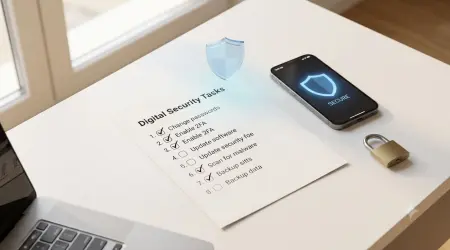
- Communication security practices: Regardless of your tool choice, fundamental security practices remain essential. Using strong, unique passwords, enabling two-factor authentication (preferably with authenticator apps rather than SMS), and regularly updating your security settings provide foundational protection that complements both disposable and permanent privacy solutions .
Frequently Asked Questions (FAQs)
Can disposable emails be traced back to me?
While disposable emails provide some separation from your identity, they don't guarantee complete anonymity. Many temporary email services log IP addresses and browser fingerprints during access, which could potentially be used to identify users . For enhanced anonymity, consider accessing these services through Tor or VPN connections and using privacy-focused browsers.
What's the biggest mistake people make with burner phones?
The most common mistake is activating or using the burner phone in locations connected to their identity, such as home, work, or frequented locations . This immediately creates a link between the anonymous device and the user's identity through cellular location data. Always power on and use burner phones in neutral, public locations away from your regular routines.
Are there legal concerns with using these privacy tools?
Both disposable emails and burner phones have legitimate privacy applications and are legal in most jurisdictions. However, their association with fraudulent activities means that using them for illegal purposes remains unlawful. Always ensure your use complies with local regulations and service terms. Businesses should be particularly mindful of compliance requirements when selecting communication tools .
How often should I replace my burner phone?
For maximum anonymity, true burner phones should be used very briefly—typically between one day and one week maximum . The longer you use a device, the more pattern data it generates, increasing the risk of it being linked to your identity through behavioral analysis or location tracking.
Can I recover accounts if I used a disposable email?
No, this represents a significant limitation of disposable emails. Once the temporary email address expires, you lose all ability to receive password resets, security notifications, or any other emails sent to that address . This is why disposable emails should never be used for important accounts you may need to access in the future.
Are there environmental concerns with burner phones?
Yes, frequently discarding physical electronic devices contributes to electronic waste, which poses environmental challenges . For less critical privacy needs, consider virtual alternatives that provide similar separation without the physical waste. When disposing of burner phones, ensure you perform factory resets and remove SIM cards to protect any residual data .
Conclusion
In the evolving digital privacy landscape of 2025, both disposable emails and burner phones serve important but distinct roles in protecting your identity and communications. Disposable emails excel as convenient tools for managing spam, testing services, and low-stakes registrations where long-term access isn't required. Burner phones address more serious privacy concerns, providing physical separation from your identity in situations where communication metadata or location tracking could present genuine risks.
As you navigate your privacy choices, remember that no single solution provides perfect protection for all scenarios. The most effective approach involves understanding the specific strengths and limitations of each tool, then applying them appropriately to your unique threat model and privacy requirements. For many users, a layered strategy combining email aliases for everyday privacy, secure communication apps for sensitive conversations, and situational awareness about digital tracking will provide the most practical and comprehensive protection.
Your digital privacy ultimately depends not on any single tool, but on developing thoughtful habits and making informed choices about how, when, and why you share your personal information. By understanding the distinct roles that disposable emails and burner phones play in the broader privacy ecosystem, you can take proactive control of your digital footprint in an increasingly connected world.
For more guidance on protecting your digital identity, explore our comprehensive resources on creating secure communication habits and understanding modern privacy threats.
Written by Arslan – a digital privacy advocate and tech writer/Author focused on helping users take control of their inbox and online security with simple, effective strategies.