Alias System Advantage: When Disposable Email Fails You, Use Aliases
When Disposable Email is NOT Enough: The Alias System Advantage
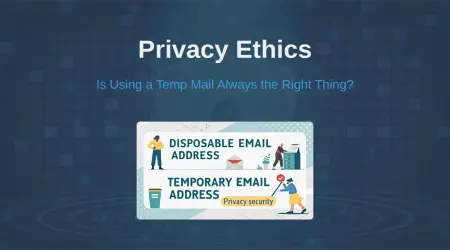
In the digital age, protecting your primary email address from spam, data breaches, and invasive tracking isn't just a best practice—it's a necessity. For years, the go-to solution for millions has been the disposable email address. You know the ones: quick, temporary inboxes you create to sign up for a one-time download, access a gated article, or avoid a website's mandatory registration.
But what happens when that "temporary" need becomes a long-term relationship with a service? What happens when you need to receive a password reset, a shipping confirmation, or an important notification months later? This is where the short-term fix of disposable email fails, and the strategic, long-term power of an alias system shines.
Disposable emails are a band-aid. An alias system is a permanent shield. This article will dissect the critical shortcomings of disposable emails and unveil why a sophisticated alias system is the superior, professional-grade solution for anyone serious about privacy, organization, and control over their digital life.
The Inherent Flaws of Disposable Email Services
Disposable email services serve a purpose, but it's a dangerously limited one. Relying on them for anything beyond a 10-minute interaction is a recipe for frustration and potential loss.
1. The Ephemeral Nature: You Will Lose Access
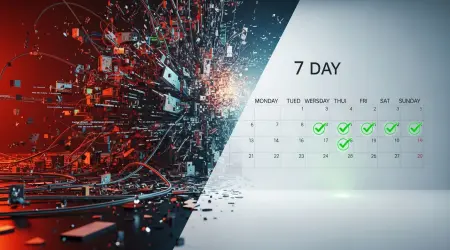
The core feature of a disposable email is its temporariness. Most of these inboxes self-destruct after a few hours or days.
- The Problem: Any account you create with that email address is essentially on borrowed time. If you need to recover a forgotten password, confirm a subscription, or receive a critical alert after the disposable inbox has expired, you are permanently locked out. Your account, along with any associated data or purchases, becomes inaccessible.
- Real-World Consequence: You signed up for a financial webinar using a disposable email. A week later, they send the exclusive recording and slide deck. You never get it because the inbox no longer exists.
2. Lack of Ownership and Identity
When you use a disposable email, you are not creating a stable, verifiable online identity. You are a ghost.
- The Problem: Many reputable services, especially in finance, e-commerce, and professional networks, flag or outright ban sign-ups from known disposable email domains. They see it as a sign of a fraudulent or low-quality user.
- Real-World Consequence: Your application for a freelance platform or your attempt to create an account with a new bank is rejected because your email address is associated with a disposable service, undermining your credibility.
3. The Organizational Nightmare
Using multiple disposable emails for different services turns your digital footprint into chaos.
- The Problem: There is no way to organize or filter emails coming into random, unrelated addresses. You can't create rules to prioritize emails from "ShoppingSite_A" or sort emails from "Newsletter_B." It's a black hole of unstructured, unmanageable communication.
- Real-World Consequence: You can't track which service sold your email to a spammer because all your disposable addresses are jumbled and unmemorable. Identifying the source of a data breach becomes nearly impossible.
4. Security Risks You Haven't Considered
While designed for privacy, disposable emails can introduce unique security vulnerabilities.
- The Problem: These services are often public and can be accessed by anyone who knows or guesses the inbox address. If you use a common or predictable name for your disposable inbox, a malicious actor could potentially monitor it, intercepting your sign-up confirmations or password resets.
- Real-World Consequence: An attacker guesses your disposable email for a social media account and uses the "Forgot Password" feature to hijack the account, all without you ever knowing.
The Alias System: Your Permanent, Controlled Identity Layer
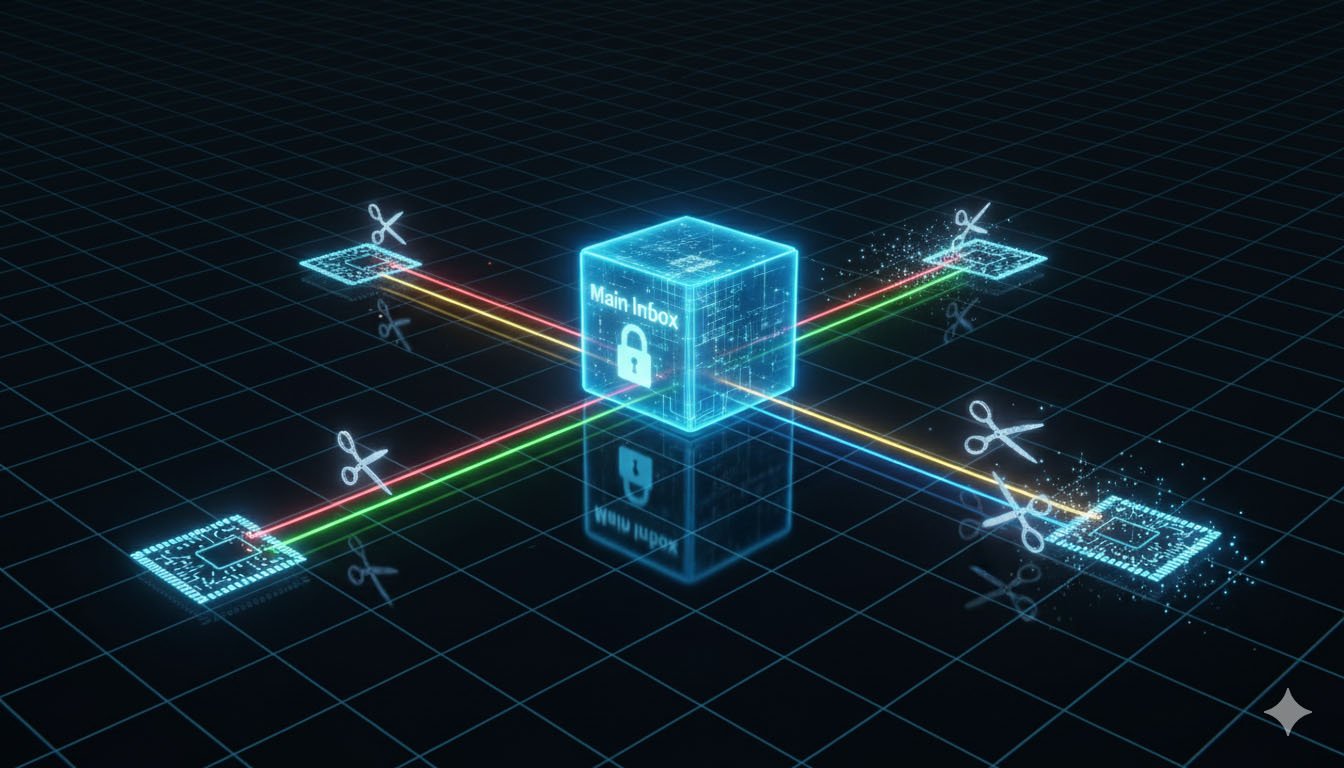
An email alias system is a fundamental shift in strategy. Instead of creating temporary, throwaway inboxes, you create permanent, unique, and forwardable addresses that all point to your real, primary email account.
Think of it as having a single, secure post office box (your main email) and an infinite supply of unique P.O. Box numbers (your aliases) you can hand out to different senders. All mail still comes to you, but you know exactly who sent it to which number.
How a Professional Alias System Works
A robust alias system, like the one offered by TempMailMaster.io's Alias Generator, provides a structured approach:
- Generate a Unique Alias: You create a new, random email alias (e.g., yourname.shopping@domain.com or a fully randomized string) for every website, service, or individual.
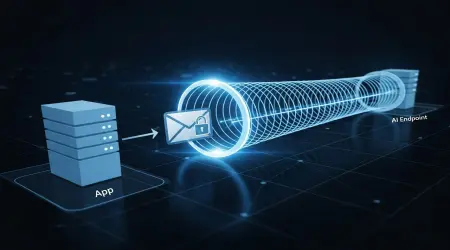
- All Emails are Forwarded: Any email sent to that alias is instantly and seamlessly forwarded to your protected primary email inbox.
- You Stay in Control: You own and control the alias. You can disable it, enable it, or change its destination at any time, without affecting any other alias.
This creates a powerful, managed layer between your true identity and the outside world.
The Undeniable Advantages of an Alias System Over Disposable Email
Let's break down the concrete benefits that make an alias system the definitive choice.
1. Unmatched Control and Accountability
This is the cornerstone of the alias advantage. You are the gatekeeper.
- Pinpoint the Source of Spam: If you start receiving spam to yourname.netflix@domain.com, you know with 100% certainty that Netflix either had a data breach or sold your data. There is no ambiguity.
- Instant Shut-Off Valve: Is a newsletter becoming annoying? Is a service you no longer use still emailing you? Simply deactivate the yourname.newsletter@domain.com alias. The emails stop immediately, without you ever having to unsubscribe or block your main address. It's a digital "block button" that actually works.
- Manage Sender Reputation: You decide who gets to communicate with you. This is a level of control disposable emails can never offer.
For a deeper dive into managing your digital identity, explore our guide on The Ultimate Guide to Protecting Your Identity with Disposable Emails.
2. Permanent, Yet Private, Communication Channels
Your aliases are permanent addresses, but they don't reveal your primary email.
- Never Miss Important Emails: Sign up for your bank, insurance, or a long-term software subscription with an alias. Years later, you'll still receive statements, policy updates, and renewal notices. The alias remains active for as long as you need it.
- Maintains Anonymity: The service you signed up for only sees the alias. Your real email address remains hidden, protecting you from phishing attacks and data mining targeted at your primary account.
3. Superior Organization and Filtering
An alias system transforms your primary inbox from a chaotic mess into a perfectly organized command center.
- Auto-Sorting with Ease: You can set up filters or rules in your primary email client (like Gmail or Outlook) to automatically label, archive, or star emails based on which alias they were sent to.
- Example: All emails to yourname.work@domain.com can be automatically tagged with a "Work" label and moved to a specific folder.
- Example: Emails to yourname.amazon@domain.com can be marked as important and never sent to spam.
- Clear Visual Context: Seeing which alias was used in the "To" field immediately provides context for the email before you even open it.
To leverage this for business, learn how to Enhance Your Business Security with Temporary Inbox Solutions.
4. Enhanced Security and Breach Management
In an era of constant data breaches, an alias system is your early-warning radar.
- Rapid Breach Identification: If a company you've signed up with suffers a data breach, and you see login attempts or spam directed at that specific alias, you know immediately which service was compromised.
- Contained Damage: A breached alias is just that—one alias. An attacker cannot use it to pivot and access other accounts because each of your accounts uses a different alias. It effectively quarantines the damage from a data leak.
- Proactive Defense: If you suspect an alias has been compromised, you can simply disable it and create a new one for that service, all without affecting your primary email or any other accounts.
Practical Use Cases: Where an Alias System is Non-Negotiable
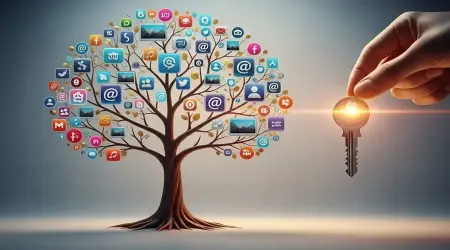
- E-commerce & Online Shopping: Use a unique alias for every store (yourname.zippyshop@domain.com). Track who sells your data and instantly block spammy marketing without affecting your primary inbox.
- Social Media & Forums: Isolate your social accounts (yourname.fb@domain.com, yourname.reddit@domain.com) to prevent cross-platform tracking and contain any communication from these platforms.
- Financial & Critical Accounts: Use dedicated, permanent aliases for your bank, investment platforms, and insurance companies. This ensures you never miss a critical alert while keeping your primary email secure.
- Job Hunting: Create a professional alias specifically for your resume and applications (first.last.jobs@domain.com). It looks professional, keeps your main email private, and allows you to organize all job-related communication efficiently.
Frequently Asked Questions (FAQs)
Q1: Is an email alias the same as a "Plus addressing" trick (e.g., myemail+service@gmail.com)?
While "+ addressing" is a form of aliasing, it's often ineffective. Many web forms now reject the plus sign, and spammers can easily strip it out, revealing your core email address. A true alias system uses a completely different address (e.g., a1b2c3@aliasdomain.com), making it more robust and universally accepted.
Q2: What happens if my alias service shuts down?
This is a critical consideration. A professional service should provide a contingency plan. With a service like TempMailMaster.io, you own and control your aliases. In the unlikely event of a service disruption, you would have the ability to redirect your aliases or migrate them, ensuring you never lose access to your accounts.
Q3: Can I reply to or send an email from an alias?
Yes, with a full-featured alias system. Advanced systems allow you to send and reply to emails from the alias address directly from your primary inbox. This maintains your privacy and consistency, as the recipient sees the alias, not your real email.
Q4: Isn't this just more complicated than using my main email?
Initially, it requires a slight shift in habit. However, the long-term benefits of a spam-free primary inbox, unparalleled organization, and ironclad security far outweigh the minimal initial setup. It simplifies your digital life by adding a layer of intelligent management.
Q5: How many aliases can I create?
With a quality service, the number should be virtually unlimited. The whole point is to use a unique alias for every single service, sign-up, and contact to maximize security and organization.
Conclusion: Make the Strategic Shift from Temporary to Tactical
Disposable emails have their place as a quick, last-resort tool for the most trivial of online interactions. But for managing your modern digital identity, they are a relic—a flawed solution that creates more problems than it solves.
An email alias system is the evolution of online privacy and organization. It provides the permanent, controlled, and intelligent layer you need to navigate the internet with confidence. It gives you the power to hold companies accountable, organize your digital life effortlessly, and contain the fallout from the inevitable data breaches of our time.
Stop settling for the temporary fix. Embrace the permanent advantage. Move beyond disposable emails and invest in an alias system that puts you back in control of your most valuable digital asset: your identity.
Written by Arslan – a digital privacy advocate and tech writer/Author focused on helping users take control of their inbox and online security with simple, effective strategies.