AI Smishing: Stopping the Wrong Number Scam
The AI-Generated “Wrong Number”: Stopping Hyper-Personalized Smishing
Every smartphone user has received a message from an “Unknown Number” claiming to be a wrong recipient or a mistaken text. What seems like a harmless mix-up can actually be the opening gambit of a sophisticated SMS phishing (smishing) scam. In these schemes, scammers send an innocuous “wrong number” text to random people; once you reply (even with a brief “sorry, wrong number”), they strike up a friendly conversation. Over time, they exploit that trust to pressure you into fraud – often via fake investment schemes or phony job offers
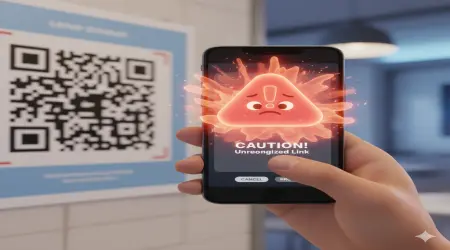
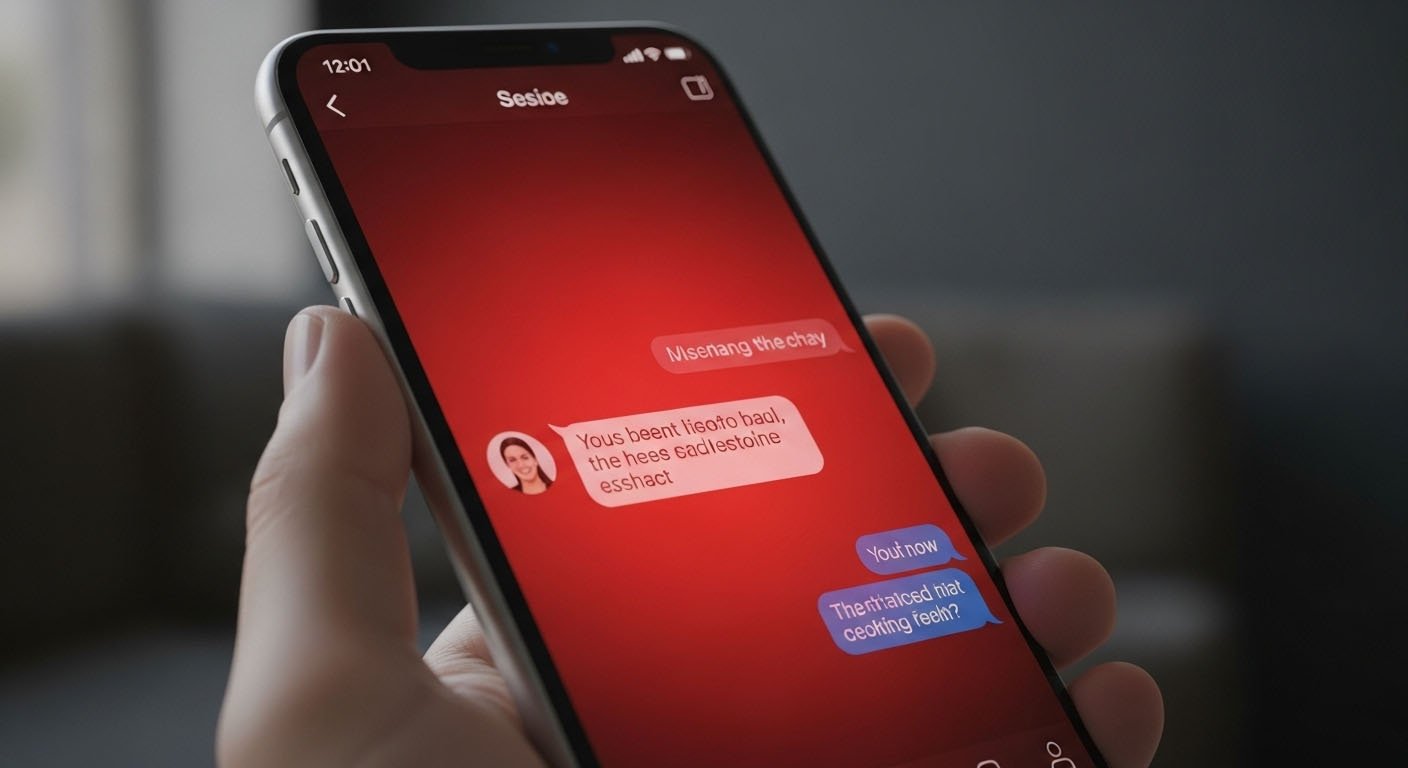
. The rise of generative AI has turbocharged these attacks. Today’s scammers can use AI tools to draft flawless, personalized messages at scale, making it much harder to spot a fake. In this article, we explore how AI-powered “wrong number” smishing works, how to recognize it, and what you can do to stay safe.Figure: An example of a suspicious SMS conversation on a smartphone. Scammers often start with a benign “wrong number” message to hook the victim (image from Temp Mail Master). The scammer’s first text is usually mundane – perhaps “Hi, is this Alex?” or “Sorry, I think I texted the wrong number” – prompting you to say “I think you have the wrong person.” At that point the scammer suddenly becomes apologetic, friendly, even flirty, and quickly pivots the conversation into earning your trust
. Once you’re chatting, they often discuss money, investments or “opportunities,” setting up a classic pig-butchering fraud (known as Sha Zhu Pan) that can drain your savings over weeks or months
. The AI twist: these initial texts can now be generated and tailored by machine learning, meaning scammers can send out thousands of them, each slightly different and context-aware, with minimal effort
.
What Is a “Wrong Number” Smishing Scam?
A smishing attack is simply phishing via SMS (text message). In a wrong-number smishing scam, the attacker’s goal is not an immediate click, but an ongoing conversation. Cybersecurity experts describe it as a deliberate social engineering hook: the scammer pretends to have contacted you by mistake, then gradually “fats” you up with flattery or friendship until you let your guard down
. According to Temp Mail Master, the scammer’s initial message is “specifically designed to elicit a simple, non-suspicious response”
. Once the victim replies “sorry, wrong number,” the scammer immediately shifts tone, apologizing and claiming “you seem nice” to start a friendly chat
.This friendly facade masks a long-term scam. Over days or weeks the attacker shares fake success stories and investment tips (often involving cryptocurrency or foreign currency exchanges), pushing the victim toward a “too-good-to-be-true” deal
. It’s called a pig-butchering scam because the victim (“pig”) is “fattened up” through daily conversation and positive reinforcement before the “slaughter” – the large fraudulent investment – occurs
. By the time victims sense something is wrong, they’ve often already wired tens of thousands of dollars to sham platforms. Global losses from these schemes are staggering: one report estimated that pig-butchering fraud cost victims $75 billion worldwide since 2020
. In the United States alone, phishing and investment fraud (often fueled by such scams) topped $2.57 billion in reported losses in 2024
.What makes “wrong number” smishing insidious is how normal the interaction feels at first. The message often lacks obvious red flags like typos or bad grammar. You might think, I should just correct them and move on. But that very impulse – to be polite and helpful – is the trap
. Scammers rely on your empathy and curiosity to pull you in. Once engaged, they often escalate topics to money or romance, depending on the scam narrative
. For example, one Nevada credit union warns that after an initial “wrong number” apology, scammers may offer a “high-paying remote job” or bring up cryptocurrency pitches
How AI Scales and Personalizes Text Attacks
Artificial intelligence and large language models (LLMs) have changed the landscape of digital scams dramatically. In the past, fraudsters might have had to personally craft each text or rely on crude templates. Now, AI can automate both writing and targeting, making smishing far more scalable and convincing. As McAfee explains, modern AI systems can “analyze vast datasets of human-written text in a matter of seconds, enabling scammers to mimic the tone and language of a trusted person or organization”
. In practice, this means an attacker can scrape your social media or data breaches for personal details and feed them into an AI prompt. The AI then generates a message that sounds exactly like someone you know (or sounds genuinely caring).Norton research notes that AI tools can crawl your online footprint for hyper-personalized information – even referencing your pet’s name or a recent social post – to build false trust
. For example, a text might say “I loved your post about Max’s surgery, hope he’s okay!” appearing friendly and specific. Because of AI’s efficiency, fraudsters can send out thousands of customized texts at once. McAfee points out that with AI “scammers can mass produce personalized messages quickly, broadening their reach and increasing the chances of victimizing more individuals”
. In short, an attack that once required manual effort is now almost entirely automated.The “zero-second” phishing concept highlights how AI eliminates the delay between data collection and message sending. Temp Mail Master describes how, since 2022, AI-driven phishing tools can generate highly realistic lures instantly, leaving no time for traditional filters to catch them
. Attackers feed LLMs with targets’ LinkedIn or Facebook info, letting the model emulate writing styles and jargon. The result is a scam text that reads like it was typed by a human who knows you. Such AI-generated texts typically lack the spelling mistakes or odd phrasing that used to mark a scam
. In fact, the FBI notes that what used to be a common clue – obvious typos – is disappearing entirely as fraudsters use AI to polish their messages
.AI also enables dynamic attacks: if one message variant triggers a filter or fails, an AI system can immediately produce a new one with different wording or style. As Graphus explains, AI helps “customize and personalize the scammers’ tactics, making fraudulent messages nearly indistinguishable from the real thing”
. Whether it’s mimicking a friendly tone, adopting just the right emoji, or timing a message when you’re usually active, AI-driven tools handle it all. The combination of automated generation, personalization, and high volume is what turns smishing into a mass-scale menace.
AI-Enhanced Smishing in Practice
Consider how these AI smishing attacks look on the ground. One common theme is the plausible pretext: the text usually mentions something familiar, like a meeting, a job, or a recent event, to hook you. For instance, a scammer might text:
“Hey, sorry I texted the wrong number. I have an interview tomorrow and was hoping you could tell me about the testing process?”
This puts you in a helpful mindset. If you respond, “I’m not sure, I’m sorry,” they might say “Thanks, you seem like a helpful person! Honestly, I have a secret interview with Amazon and I’m terrified.” From there, they pivot to slowly building trust and introducing some “investment tip” or urging you to help with your own skills
. At every step, they use AI-optimized language: polite, convincing, and impossibly well-spelled.Real-world cases illustrate the stakes. The FBI’s Operation Level Up reveals that cryptocurrency “pig butchering” scams (which often start as text conversations) have victimized thousands, with victims losing an average of $140,000 each
. In some cases, scammers even create fake apps or websites to handle the investments. Other times, they invite victims to move to private messaging apps for “secrecy,” a known trap. Victims may be sent “evidence” of earlier profits, which all turns out to be an AI-generated mirage
.Smishing doesn’t always lead to crypto schemes. Some scammers use the wrong-number style to steal identities or insert malware. For example, a text might include a link claiming to show your paycheck or resume; clicking it could install spyware. AI helps here too: it can write harmless-sounding link text (“Please fill out this form about the interview”) that fools people into clicking. In summary, AI makes every smishing scenario more believable, whether the end game is money, data, or access.According to recent reports, this isn’t a small problem. The Canadian Anti-Fraud Centre (CAFC) has warned that smishing is “more than likely increasing” thanks to AI tools that craft convincing messages and scrape breached data for targets
. Even if overall fraud reports seem to dip (many victims never report), the volume of suspicious texts is climbing. In the first half of 2025, CAFC received hundreds of smishing reports, and they expect the real number is much higher
. Likewise, the U.S. Federal Trade Commission (FTC) notes that text scams cost Americans nearly $470 million in 2024 – a fivefold jump from 2020
. Given that text messages have open rates as high as 98%, a single AI tool can send a million “wrong number” texts per day with little cost
Recognizing AI-Generated Smishing
Spotting a “wrong number” smishing scam gets trickier when it’s machine-written, but there are still red flags:
- Unsolicited Friendly Text: The message comes out of the blue from someone claiming to be another person. If the first text is unusually friendly or casual for a stranger, be wary. Authentic wrong-number corrections (“sorry wrong number”) usually end the conversation – if it continues, it’s likely a scam.
- Overly Personalized Pitches: AI smishing may reference personal details (like your hobbies or recent posts) to seem legitimate
- . Ironically, this hyper-personalization is itself a warning sign. Verify the claim through another channel if it’s about something specific in your life.
- No Verifiable Identity: The sender’s name is usually not in your contacts. The message might appear as “Unknown Number” or a random area code. There are no official logos or channels (unlike legitimate notifications from, say, your bank).
- Urgency and Emotion: Like other phishing, AI smishing often uses pressure – an urgent job offer, a time-sensitive deal, or an emotional story (e.g. “my daughter is sick and needs help with an interview”). AI-driven texts are very good at tugging heartstrings or provoking fear, so double-check unbelievable claims
- Unusual Links or Requests: While many wrong-number scams start without links, if the conversation quickly shifts to clicking a link or downloading an app, that’s a major red flag. AI can craft believable link text, but remember: legitimate companies rarely ask for sensitive info via SMS. If asked for personal or financial info, it’s a trap.
Traditional cues like typos or bad grammar are less reliable now. Norton notes that what used to be a giveaway – misspelled words – is “not always the case now” with AI-produced messages
. Instead, watch the content of the exchange. If a stranger is suddenly very friendly, flirty, or inquisitive about you, and especially if money or investments come up, assume it’s malicious
.Another tip: think before you text back. The Cybersecurity & Infrastructure Security Agency (CISA) advises treating every unknown text as a potential scam
. If the message is clearly about someone else and you’re not involved, the safest move is often no response. Engaging at all tells the scammer your number is active, which could invite more texts
.
Protection and Prevention Strategies
Stopping AI-enhanced smishing requires a mix of caution, technology, and good habits. Here are key strategies:
- Don’t Respond: If you get an unexpected text from an unknown number – especially one intended for someone else – just ignore it. Don’t type even “stop” or “no” unless you’re absolutely sure. These replies can be tracked or used to validate your number
- . Remember the rule: no engagement. According to Bitdefender, “The best way to protect against wrong-number text scams is to ignore them completely. If you do happen to respond, don’t continue the conversation”.
- Block and Delete: Use your phone’s built-in blocking feature on any suspicious number. This prevents further texts from that number. Then delete the message to avoid temptation. If possible, mark the text as spam in your messaging app. Many carriers now partner with spam detection services (e.g. forward unknown texts to 7726 in the US) to analyze and block scam networks.
- Verify Through Official Channels: If a text claims to be from a bank, delivery service, or employer, don’t use the contact info in the text. Instead, call or visit the official website. For example, if the text says “your bank account is suspended,” search online for your bank’s phone number (or check the app) and call to confirm. Never enter login credentials or sensitive data in response to an unsolicited text
- .
- Enable Spam Filters and Security Apps: Most modern smartphones can filter spam texts. On iPhones, enable “Filter Unknown Senders”; on Android, use Google Messages’ spam protection. Additionally, security apps (like those with SMS scanners) can flag known scam patterns. For corporate environments, specialized AI-driven SMS security (such as Lookout’s Smishing AI) monitors message tone and behavior to block attacks before they reach employees
- Limit Personal Data Exposure: According to Norton, hiding or tightening privacy on your social profiles helps prevent AI from grabbing personal info us.norton.com
- . Also, use unique passwords and 2FA on all accounts. If a scam text does mention something like an account issue, 2FA adds a safety net. In general, treat any request for personal data via text as a scam – no legitimate entity will ask for your SSN or password in an SMS.
- Stay Informed and Share Knowledge: Awareness is your best defense. Organizations like the FTC, FBI, and Competition Bureau regularly post warnings about trending scams. For instance, the Competition Bureau advises against clicking suspicious links and recommends forwarding scam texts to 7726 and then deleting them nationalnewswatch.com
- . Talk to family and friends about these tactics; even older or less tech-savvy users should know not to “help” strangers via text.
- Use Disposable Contacts for Suspect Activities: If you must engage in an online transaction or job search, consider using a second (burner) phone number or email address that isn’t tied to your main identity. Temp Mail Master suggests using short-lived disposable emails for similar reasons tempmailmaster.io
- – the same idea applies to texts. This way, even if scammers target those details, your primary accounts remain insulated.
- Update Your Device Regularly: Keep your phone’s operating system and apps up to date. OS updates often include security patches that can block malware or spoofing techniques. Also, be cautious about granting SMS and call permissions to new apps.
AI Countermeasures and Advanced Solutions
As AI boosts the scammer’s toolkit, defenders are deploying AI-driven tools as well. For example, Norton’s “Norton Genie” scam protection uses machine learning to detect AI-generated threats with over 90% accuracy
. Corporate email and SMS gateways increasingly incorporate AI-based filtering – tools that recognize the subtle cues of phishing language. Even some mobile security suites now analyze text tone and context: rather than just checking links, they use AI to flag “suspicious intent” in messages lookout.com
.At home, AI-powered chatbots or virtual assistants can help too. If you’re unsure about a text, you might paste the message into a secure AI tool (one you trust) and ask if it looks like a known scam. Some alert services also allow you to forward a suspicious text for automatic analysis. While these are no substitute for caution, the arms race is on: AI vs AI in cyber defense.Lastly, report incidents. If you encounter a likely smishing attempt, forward it to your carrier (like 7726 in the U.S.) and report it to authorities (FTC’s ReportFraud.ftc.gov or the FBI’s IC3). This not only helps you – it helps build data to shut down these schemes. An informed public can slow the spread of new AI-driven scams through sheer vigilance.
Conclusion
AI-generated “wrong number” smishing represents a new wave of cyber threat: faster, smarter, and harder to detect than ever before. By pretending to text the wrong person, scammers leverage human kindness to build trust, then hijack that trust for profit. AI has supercharged this tactic by creating polished, personalized messages at scale. The good news is that the defenses are also evolving. Basic steps – don’t reply to unknown texts, block suspicious numbers, verify requests via official channels, and use two-factor authentication – remain effective first lines of defense bitdefender.com us.norton.com
. Beyond that, advanced spam filters and AI-based security tools can help filter out dangerous messages before they reach you us.norton.com lookout.com
.Above all, the key is caution and awareness. Remember: if a text seems oddly personal for a stranger, or if a casual chat turns into a get-rich-quick pitch, treat it with skepticism. By combining smart habits with cutting-edge tools, mobile users can stay one step ahead of AI-augmented scammers and keep their data and money safe in this hyper-connected era.
Frequently Asked Questions
Q: What exactly is the “wrong number” text scam?
A: It’s a smishing scheme where a scammer sends a text meant to appear as a wrong-person message. When you reply to correct them, they continue the conversation, quickly becoming friendly. Over time, they exploit that trust to push fraudulent investment schemes or other scams tempmailmaster.io bitdefender.com
. Essentially, the scammer pretends you are their friend, then tricks you.Q: How does AI make these text scams worse?
A: AI helps scammers craft messages that sound very natural and tailored. An attacker can use large language models to write flawless texts that mimic a friend’s tone or include personal details from your social media mcafee.com us.norton.com
. AI also lets them send thousands of slightly different scam texts at once. The result is a flood of highly convincing scams that slip past traditional keyword filters.Q: What are the warning signs of an AI-generated smishing text?
A: Look for unexpected friendly messages from unknown numbers, especially if they ask personal questions. Be wary of texts with oddly personal details (that you didn’t expect) or urgent, emotional language pushing you to act. If replying with “wrong number” leads to the sender apologizing and striking up more chat, treat it as suspicious tempmailmaster.io bitdefender.com
. Also avoid clicking any links or providing personal info via text.Q: What should I do if I get a suspicious “wrong number” text?
A: Do not reply. Block the number and delete the message. If it claims to be from a company or bank, verify through an official phone number or website. You can also forward spam texts to your carrier (e.g. by sending them to 7726 in the US) and report the scam to authorities like the FTC. Staying silent and alert is the safest response bitdefender.com onenevada.org
.Q: Can legitimate institutions ever send text messages like these?
A: Legitimate companies usually identify themselves and do not ask for personal data via random text. They also won’t say “sorry wrong number” or be overly informal. If a text claims to be from your bank or a service, always check the sender ID carefully (true institutions use official short codes or numbers) and cross-check with known contact info. When in doubt, contact the organization directly using a number from its official website, not the one in the text.Q: Are there tools to help detect or block these AI smishing attempts?
A: Yes. Most smartphone messaging apps can filter spam texts; make sure those features are enabled. Security apps like Norton 360 or Lookout can scan SMS for scams. Some advanced solutions even use AI to flag suspicious content and block it us.norton.com lookout.com
. Keeping your phone’s software up to date also helps, as updates often include new spam-detection capabilities.Q: Why is this scam called “pig butchering”?
A: “Pig butchering” (Sha Zhu Pan) is a metaphor for the scam process. The victim is the “pig” who’s plumped up – or fattened – with friendly conversation and fake investment tips. Then, at the end, the pig is “slaughtered” when the scammer convinces them to send a large sum of money. The horrific-sounding name comes from this gruesome imagery of betrayal and theft tempmailmaster.io
.Q: Has the number of text scams increased?
A: Yes. Even if reported incidents may fluctuate, experts agree smishing is on the rise. For example, the Canadian Anti-Fraud Centre notes that smishing attempts have increased in sophistication with the help of AI, making them harder to track and prevent nationalnewswatch.com.
In the US, text scam losses jumped fivefold from 2020 to 2024 onenevada.org
. The convenience and high open-rates of SMS make it a lucrative channel for fraudsters.Q: What if I already gave information or money after responding?
A: If you shared login credentials or personal data, immediately change your passwords and enable two-factor authentication on those accounts. If you sent money (especially cryptocurrency), contact your bank or credit institution at once, although crypto is very hard to recover. Report the incident to law enforcement (such as the FBI’s Internet Crime Complaint Center) and to your local authorities. Time is critical: the sooner you act, the better chance of freezing accounts or stopping further loss.
Written by Arslan – a digital privacy advocate and tech writer/Author focused on helping users take control of their inbox and online security with simple, effective strategies.